Kindness in Anxious Moments
April 13, 2026
Anxiety is not a weakness, it is often the body’s tender response to feeling overwhelmed.
Anxiety can feel overwhelming, not only in the mind but throughout the whole body. A fast heartbeat, sweating, cold and sweaty hands, chest pain, dry mouth, tense muscles, shaky hands, loss of energy, jitteriness, an inability to relax, or an uneasy stomach are all common responses. While these sensations may feel scary, they are part of the body’s natural way of reacting to stress. When the brain senses a threat, it sends signals that activate the body’s survival system (i.e., the fight-or-flight response). In response, the body releases hormones such as adrenaline and cortisol. This is a normal and helpful reaction to pressure or threat.
Anxiety, however, occurs when this response continues after the situation has passed or appears without a clear external trigger. For people experiencing anxiety, the body reacts to thoughts and worries as though danger is present, which can lead to ongoing physical and emotional symptoms.
Understanding how the body responds to anxiety can make these symptoms feel less frightening and easier to manage.
According to the World Health Organization (WHO), around 359 million people were living with an anxiety disorder in 2021, affecting about 4.4% of the global population. This indicates that anxiety is one of the most common mental disorders worldwide. In Australia, anxiety is highly prevalent, with the Australian Institute of Health and Welfare reporting that 17% of Australians aged 16–85 experienced an anxiety disorder within a 12-month period. Research also shows that women are more likely than men to experience anxiety disorders, with U.S. data reporting 23.4% of females and 14.3% of males affected in the past year.
Have you ever felt your heart race, your chest tighten, or your stomach twist when you are stressed or overwhelmed?
Gentle Ways to Calm an Anxious Mind
Reducing anxiety can be challenging, but it is possible. Managing anxiety is not only about seeking professional help; it also involves everyday habits, immediate coping strategies, and long-term lifestyle changes.
A combination of these approaches can significantly improve emotional well-being, such as:
- Maintaining a healthy, nutritious diet
- Getting adequate sleep
- Controlled breathing – slows down the heart rate and calms the nervous system
- Progressive muscle relaxation – reduces physical tension in the body
- Grounding techniques – help bring attention back to the present moment
- Limiting caffeine, alcohol, and processed food intake
- Activities such as walking, running, or yoga to help release stress hormones and improve mood
- Practising stress management techniques such as meditation
- Joining support groups or community networks
Support That Makes a Difference
If anxiety begins to feel overwhelming, support is available through Mental Health Foundation Australia. The MHFA Wellness Hub counselling is available at $30 per 50-minute session, with free support for people experiencing financial distress. The MHFA also offers free peer-led support groups and mental health education that can help people feel heard, supported, and better equipped to manage anxiety with care. If you would like to learn more or explore support options, you are welcome to visit the MHFA Wellness Hub website or reach out to the team: https://wellnesshub.mhfa.org.au/
Understanding anxiety is often the first step toward managing it with care and compassion.
Written by MD Rakibul Islam and Muhammad Hammad
Explore R U OK? and learn about how to take care of yourself and your mental health. We understand if you may not want to open up even after a “are you okay?”.
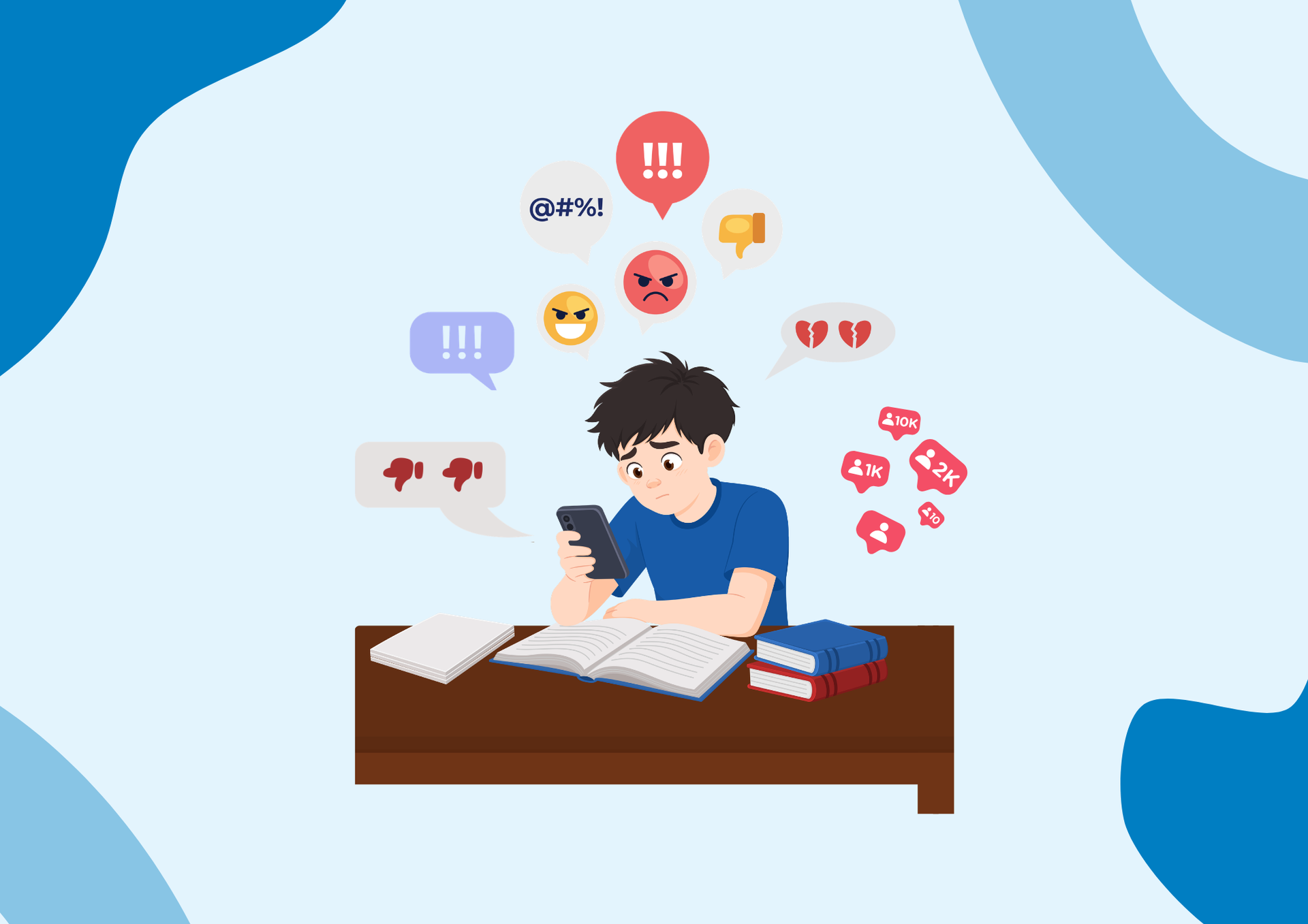
Explore how school bullying leads to cyberbullying and how early support can protect young people’s emotional wellbeing.
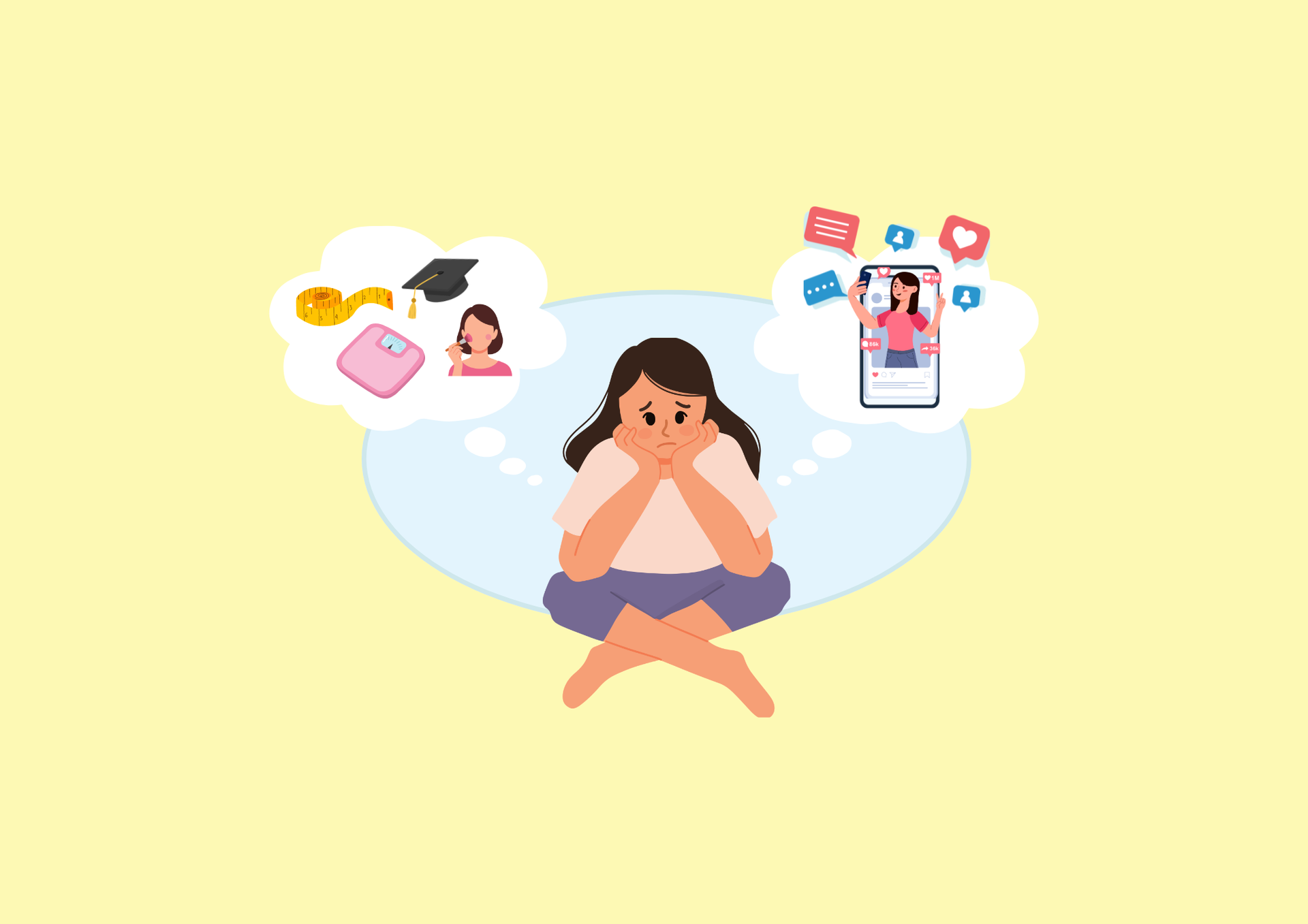
Understand the digital pressures young people face on social media, learn coping strategies to reduce social comparison and improve your wellbeing.