Kindness in the Digital Age: Creating Safe Spaces Online
August 5, 2025
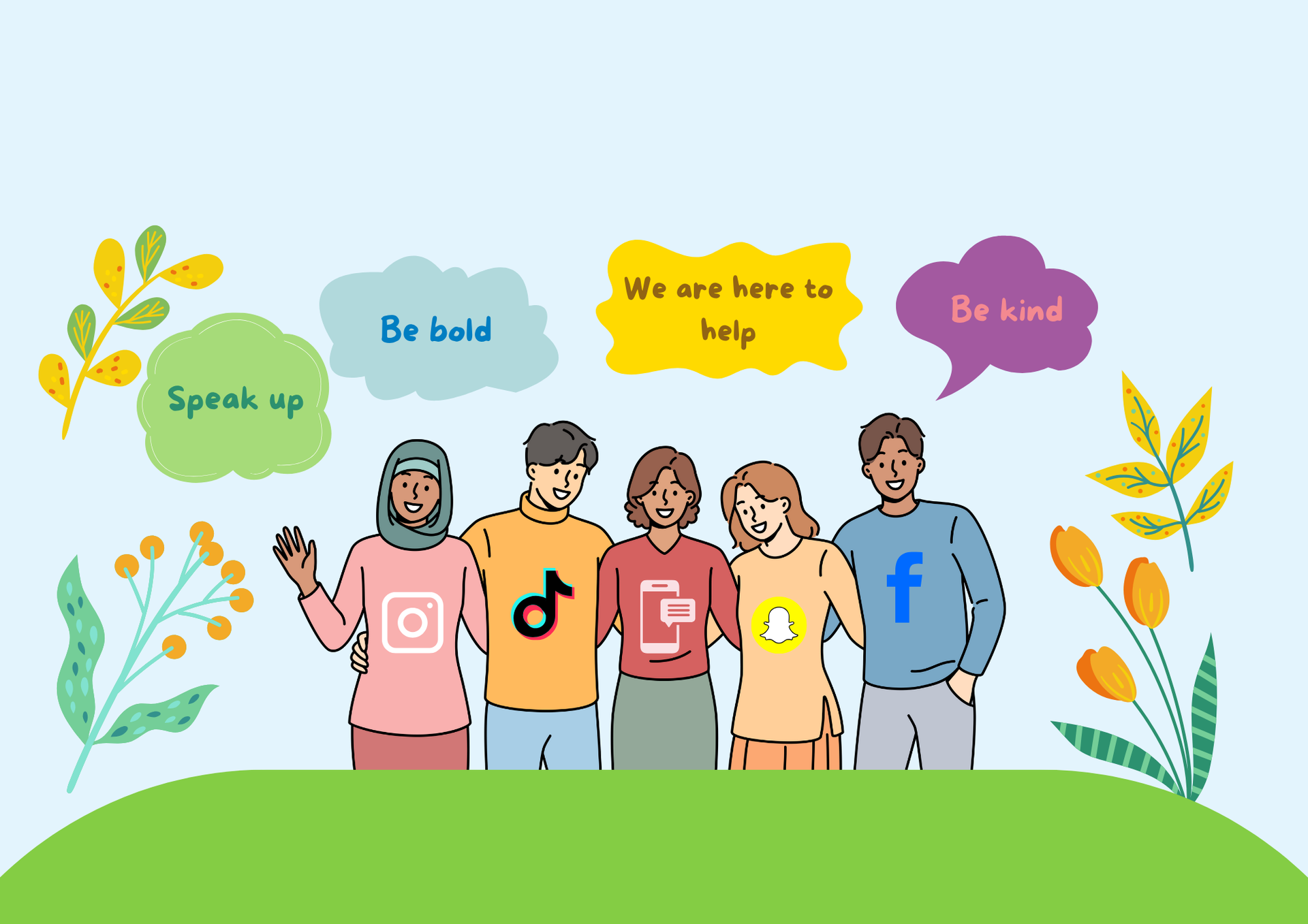
Bullying No Way Week, taking place from August 11 to 15, 2025, is Australia’s leading initiative to help schools foster understanding of bullying behaviour and strengthen prevention strategies. With its empowering theme—"Be bold. Be kind. Speak up."—this campaign brings together government, families, schools, and communities to address bullying, especially the growing concern of cyberbullying in today’s digital world.
By encouraging courage, kindness, and open communication, Bullying No Way Week reminds us that everyone has a role to play in preventing bullying and supporting those affected by it.
Understanding Cyberbullying and Its Impact
What is cyberbullying?
Cyberbullying refers to harmful behaviours carried out through digital platforms—such as social media, messaging apps, emails, or online games. Unlike traditional bullying, cyberbullying can follow young people beyond school grounds and into their private spaces, often occurring at any time of day.
It often begins with increased screen time on platforms like YouTube and can escalate to social media misuse. In response to growing concerns, the Australian Government recently passed legislation restricting YouTube access for children, highlighting the seriousness of the issue.
According to the Australian Institute of Health and Welfare (AIHW):
- In 2015–16, nearly 70% of children aged 12–13 experienced at least one instance of bullying-like behaviour within a year—impacting approximately 160,000 young people.
- Between 2014–17, 1 in 5 Year 4 students reported experiencing weekly bullying.
- An eSafety survey revealed that 1 in 4 children aged 8–12 had encountered unwanted contact or harmful material online.
These aren’t just statistics they represent children who may be feeling anxious, isolated, or overwhelmed. Harmful messages, exclusion from group chats, or online rumours can deeply affect self-esteem, academic performance, and emotional wellbeing. The persistent nature of cyberbullying can feel relentless, making it essential for us to respond with empathy and a focus on safe, supportive environments.
Last year, we hosted an event titled The Big Debate as part of the Youth Leaders Forum, exploring the provocative topic: Should social media be banned for individuals under 18? This engaging forum, organised by the Mental Health Foundation Australia, brought together young voices to reflect on the impact of digital platforms on youth mental health. The event is part of a broader initiative to promote awareness, critical thinking, and open dialogue around the intersection of technology and wellbeing.
Practical Tips for Schools and Families
Preventing cyberbullying is a shared responsibility. Here are practical, compassionate steps you can take drawn from Bullying No Way and AIHW resources:
For Schools:
- Create Safe Spaces for Dialogue - Foster inclusive environments where students feel safe sharing their experiences—through peer-led discussions, assemblies, or classroom conversations.
- Promote Digital Citizenship - Use resources from eSafety to educate students on respectful online behaviour and how to safely report harmful conduct.
- Update Anti-Bullying Policies - Ensure policies explicitly address cyberbullying with clear steps for reporting, support, and resolution.
- Engage the Community - Organize workshops or events during Bullying No Way Week, inviting families and local organizations to learn about bullying prevention.
For Families:
- Listen Without Judgment - Create a safe, open space where children feel heard and supported when talking about their online experiences.
- Teach Safe Online Habits - Help children protect their privacy—by avoiding oversharing and recognizing when to block or report harmful interactions.
- Model Positive Behaviour - Demonstrate respectful, kind communication in your own online interactions. Children often emulate adult behaviour.
- Know Support Resources - Familiarise yourself with services like Kids Helpline and eSafety for guidance on how to respond if your child is affected.
Kids Helpline: A private, confidential 24/7 phone and online counselling service for young people aged 5–25. Call 1800 55 1800 – Available 24/7.
For You: Steps to Stay Safe Online
If you or someone you know is experiencing cyberbullying, here are some steps you can take to protect yourself:
- Avoid Engagement - Responding to bullies may escalate the situation. Choosing not to engage often discourages them, as they usually seek a reaction.
- Report Harmful Behaviour - Most platforms have reporting tools that allow you to flag cyberbullying. These reports can lead to content removal or account suspension.
- Block the Offender - Blocking prevents further contact. Before doing so, take screenshots of the bullying content to preserve evidence.
- Save the Evidence - Document threatening messages, images, or posts by taking screenshots or saving them securely. If keeping this material affects your wellbeing, send it to a trusted adult and remove it from your device.
- Adjust Your Privacy Settings - Review and tighten privacy settings regularly to limit who can see or contact you. Restrict access from strangers or anyone making you uncomfortable.
- Seek Support - Talk to someone you trust—such as a parent, teacher, school counsellor. Keep the conversation going until you feel safe and supported.
We're here to support
At the MHFA Wellness Hub, we offer compassionate, professional counselling services for children and adolescents who may have experienced different forms of bullying, including cyberbullying. Our caring provisional clinician provides a safe, non-judgmental space where students feel heard, valued, and supported. Every session is thoughtfully tailored to each student’s unique experience and emotional needs.
Support is accessible, with individual sessions available for just $30. Learn more about Wellness Hub:
https://wellnesshub.mhfa.org.au/
Cyberbullying can feel overwhelming, but no one has to face it alone. Together, by being bold, being kind, and speaking up, we can create safer digital spaces where all young people feel valued and protected. Every act of empathy, every listening ear, and every shared resource contributes to a future where kindness leads the way.
Explore R U OK? and learn about how to take care of yourself and your mental health. We understand if you may not want to open up even after a “are you okay?”.
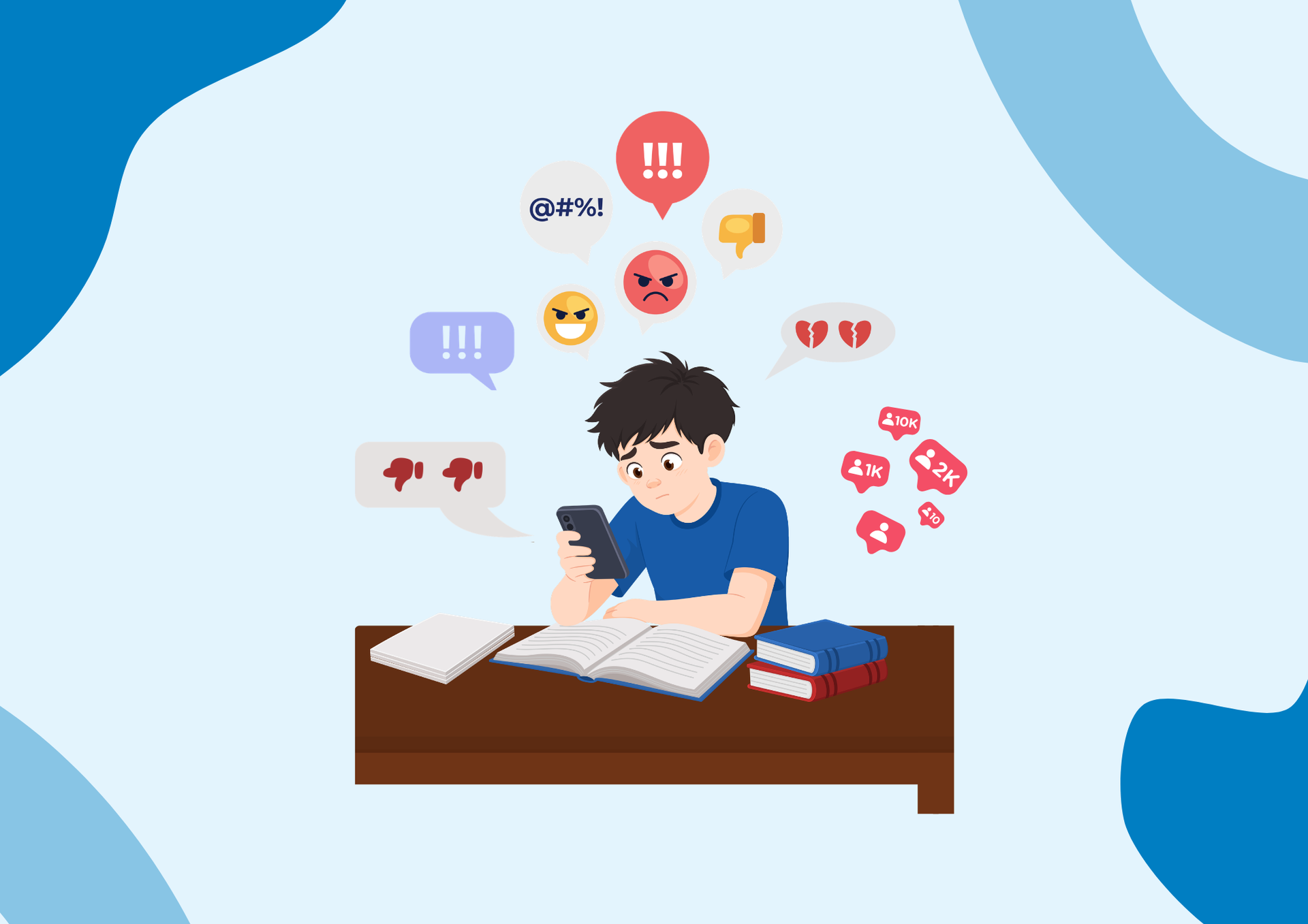
Explore how school bullying leads to cyberbullying and how early support can protect young people’s emotional wellbeing.
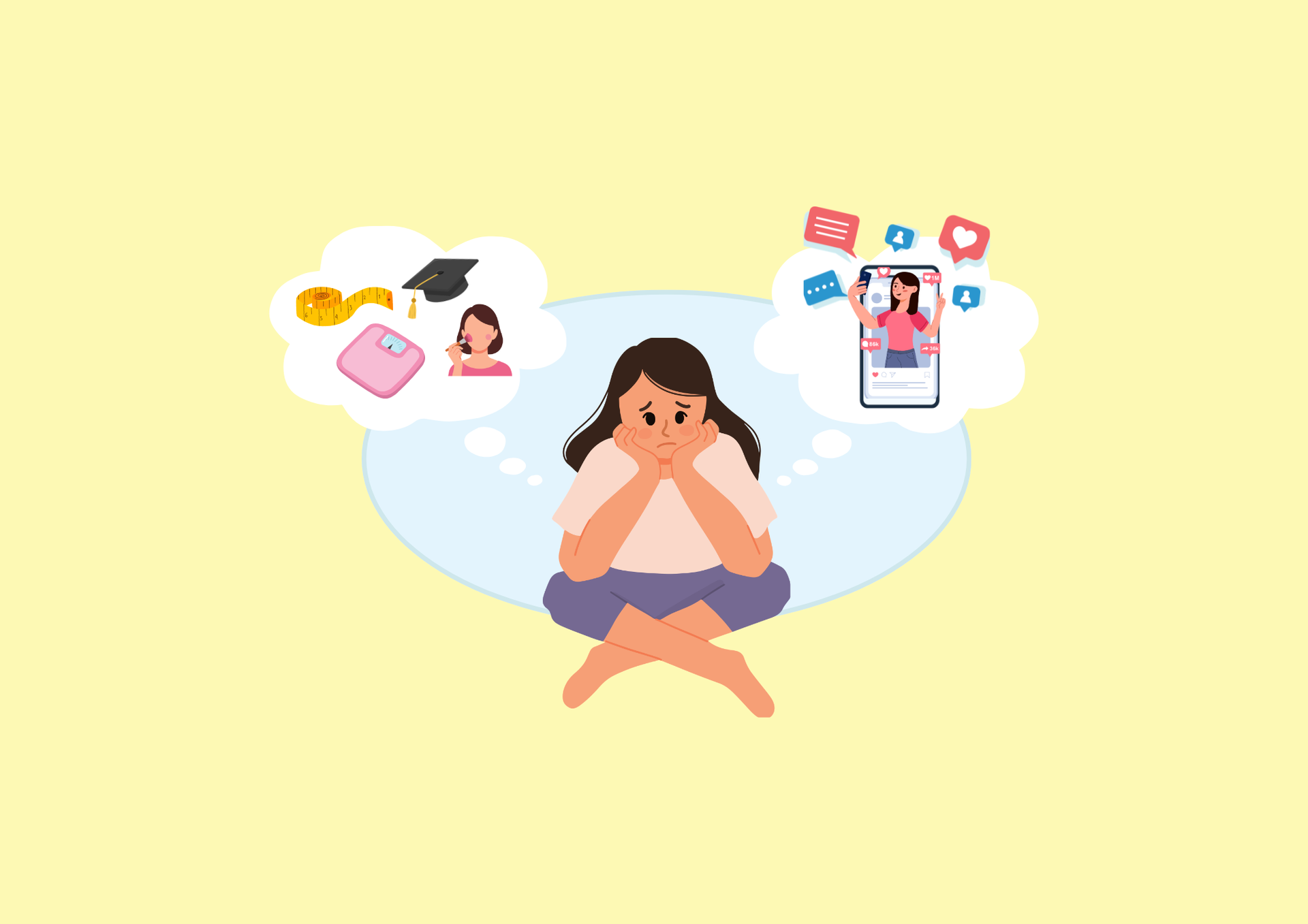
Understand the digital pressures young people face on social media, learn coping strategies to reduce social comparison and improve your wellbeing.