Responding Early to Cyberbullying and Emotional Distress
For many students, bullying does not end when the last school bell rings. A hurtful comment made in class continues through a group chat, and exclusion from lunch break makes it to the online group. Cyberbullying leaves young people with mental health difficulties.
How does school bullying move to cyberbullying?
Cyberbullying is often connected to what happens at school. A student teased at school may face discomfort through messages, recordings or shared content online that evening.
In the 2019 Mission Australia Youth Survey, 21% of young people aged 15-19 reported experiencing bullying in the previous 12 months. Among those affected, 80% said it occurred at school, TAFE or university, and 34% experienced cyberbullying through social media. Cyberbullying was identified by 37% of those affected (Australian Institute of Health and Welfare [AIHW], 2021).
Why cyberbullying feels impossible to escape?
Cyberbullying involves spreading rumours, sharing humiliating images, sending threats, impersonating someone, or deliberately excluding them online.
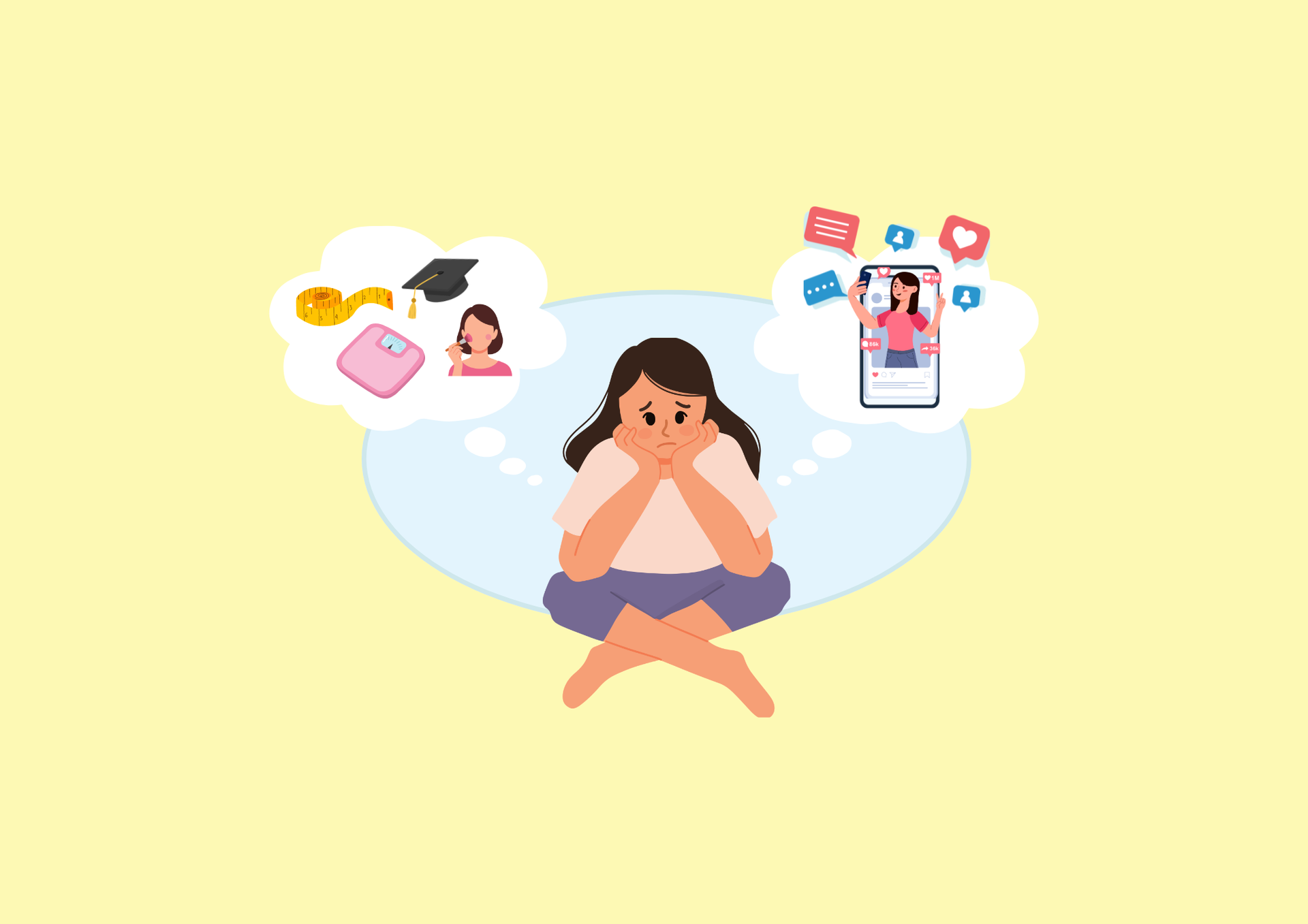
Unlike face-to-face bullying, online content reaches young people at any time. Posts, screenshots and videos can be copied and shared instantly which makes the students dwelling on negative feelings.
Home may no longer feel like a place of recovery. When the students get home, they receive countless notifications that can trigger anxiety, while fear of another message may interrupt sleep, concentration, and study.
Cyberbullying affects young people’s safety, belonging, and emotional wellbeing.
Recognising emotional distress
Bullying has a lasting effect on young people’s mental health – contributing to anxiety, low mood, social withdrawal, reduced self-esteem, lowered concentration, and school avoidance.
Young people are not sharing about cyberbullying because they fear the situation will worsen or adults will not understand their online relationships.
Here are some early warning signs for parents, carers and educators to look out for:
- Anxiety when receiving notifications
- Avoiding school or certain classmates
- Withdrawing from friends and family
- Changes in sleep, mood or appetite
- Declining school performance
- Becoming unusually secretive about devices
- Negative self-talk
The aim is to listen to their stories, not interrogate.
Creating a psychological safe space at school and home
A psychosocially safe school is one where students feel respected, included and able to report harmful behaviour without fearing humiliation or rejection. Because cyberbullying can begin within school relationships and continue at home - schools, families and students need a coordinated response that connects both environments.
- Connect online and offline incidents: Recognise that cyberbullying involving classmates may be linked to behaviour occurring during school hours.
- Make reporting feel safe: Provide clear, confidential, and predictable reporting processes.
- Listen before taking action: Avoid blaming, interrogating or immediately removing the student’s device.
- Involve the student, make them feel included: Ask what would help them feel safer and include their perspectives in decisions.
- Build positive digital behaviour: Conduct and educate online safety practices for students.
- Preserve evidence and report content: Encourage screenshots, platform reporting, blocking and support from trusted adults.
How the Wellness Hub Clinic can support?
The emotional impact of cyberbullying can last even after the content is removed online. Young people may remain anxious about returning to school, feel embarrassed about what others have seen because they have lost their sense of safety, trust and belonging.
The MHFA Wellness Hub provides affordable early-intervention counselling for children, adolescents and families. The service provides a safe space to help process bullying experiences, rebuild confidence, manage anxiety, and prepare conversations for families and schools. This support can help families communicate openly, recognise emotional or behavioural changes, and work with schools to create a safer environment for the youth.
When bullying follows a student home, support should follow them too. To book an appointment, visit our website: The Wellness Hub Clinic MHFA
Blog Written and Art Designed by: Ngan Ho, Marketing Intern
References
- Australian Institute of Health and Welfare. (2021). Australia’s youth: Bullying and negative online experiences. https://www.aihw.gov.au/reports/children-youth/negative-online-experiences
- Australian Institute of Health and Welfare. (2022). Australia’s children: Bullying. https://www.aihw.gov.au/reports/children-youth/australias-children/contents/justice-safety/bullying
- Australian Institute of Health and Welfare. (2026, May 12). Young people’s mental health (12–24 years). https://www.aihw.gov.au/mental-health/topic-areas/populations/young-people-s-mental-health
- Australian Psychological Society. (2025, July 11). More psychologists needed in schools as bullying continues to rise. https://psychology.org.au/about-us/news-and-media/media-releases/2025/more-psychologists-needed-in-schools-as-bullying-c
- Bullying No Way. (n.d.-a). Bullying No Way Week. https://www.bullyingnoway.gov.au/bullying-no-way-week/
- Bullying No Way. (n.d.-b). Preventing school cyberbullying. https://www.bullyingnoway.gov.au/prevent/preventing-school-cyberbullying/
- Bullying No Way. (n.d.-c). Understanding cyberbullying. https://www.bullyingnoway.gov.au/understand/understanding-cyberbullying/
- Mental Health Foundation Australia. (n.d.). Wellness Hub Psychology Clinic.
https://wellnesshub.mhfa.org.au/