Social Media Comparison: Digital Pressures Young People Face
What is Social Media Comparison?
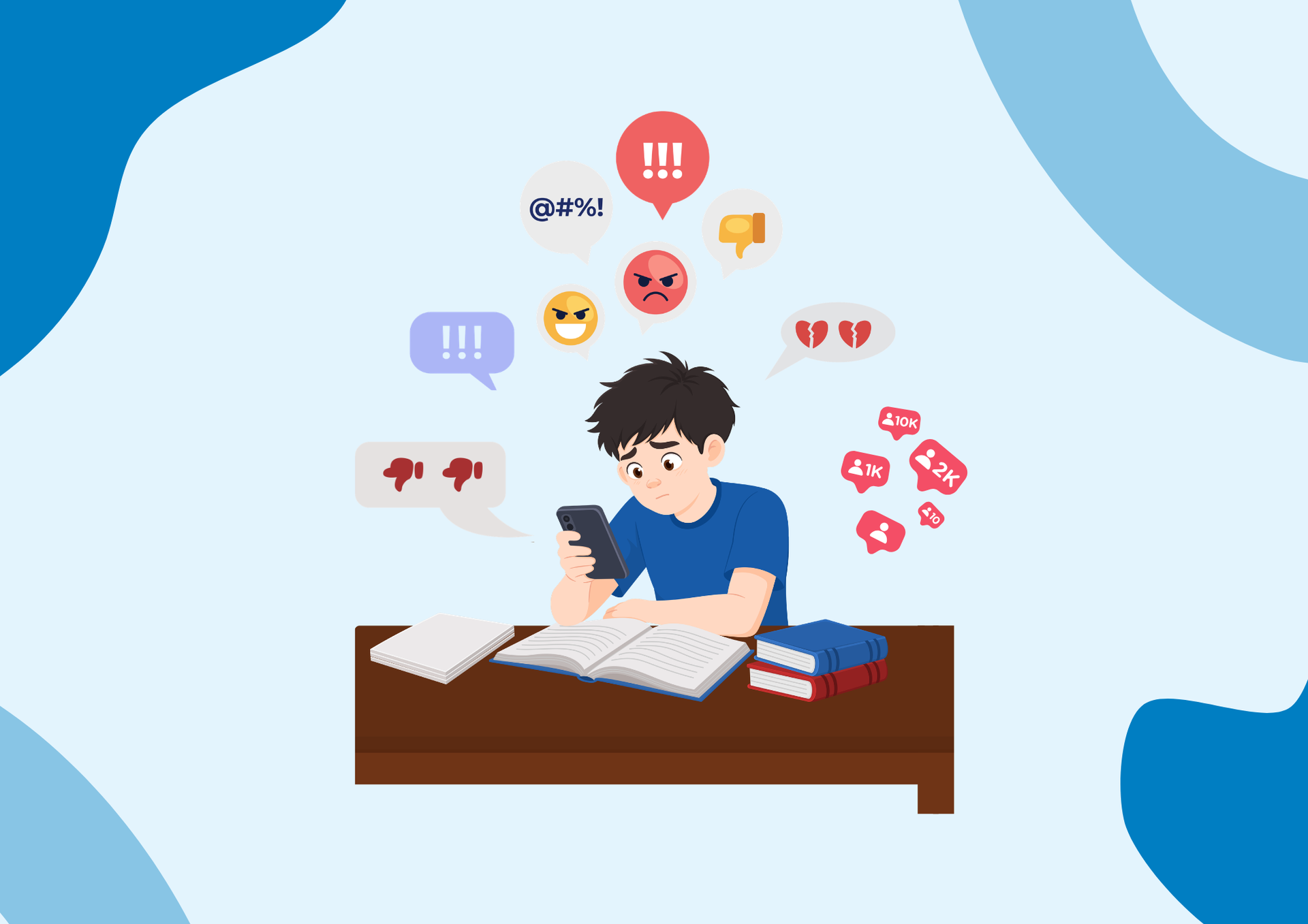
Social media often showcases only the highlights of people's lives, leading many users, especially young and impressionable audiences, to compare themselves with these idealised images. As platform algorithms actively shape and amplify the content users see, young people are increasingly exposed to unrealistic depictions of happiness and success. Consequently, they may see others as being better off than they are, causing dissatisfaction with their own appearance, social life, skills, finances, career, and lifestyle. As a result, this constant comparison with higher social media use can contribute to poorer mental health, lower self-esteem, and increased feelings of distress and unfulfillment.
Key Statistics of Social Media Pressures on Mental Health
- Adolescents who use social media for two or more hours per day experience increased depressive symptoms and poorer wellbeing, with girls and those in early adolescence (12–13 years) being at higher risk.
- A study found that 72% of young people aged 18–23 reported feeling envy and sadness after viewing vacation photos and relationship updates on social media. Additionally, 81% of the same participants believed they needed to edit their photos before posting in order to feel superior to others.
- In Australia, influencers' social media accounts have saturated the marketing industry by promoting businesses for financial gain. This has increased exposure to content that promotes unrealistic standards of wealth, body image, and success, contributing to lower life satisfaction among adolescents.
- Finally, research found that greater social comparison of ability on social media was associated with higher levels of rumination, which led to increased identity stress among young people.
What kind of pressures may young people face online?
Social monitoring and fear of missing out (FOMO): The pressure to be constantly available and involved in online interactions to avoid exclusion from social trends and activities. This pushes young people to continuously monitor their online presence, become highly aware of how they are perceived by others, and associate online engagement with personal value, acceptance, and belonging.
Embellished Self-image and Status: The pressure to curate a perfect online identity can lead young people to hide insecurities and avoid negative perceptions from others. Through “downward comparison”, individuals compare themselves with those they see as less successful or desirable to reinforce their self-image. Research shows that unfavourable comparisons can make people more likely to alter how they present themselves. Due to this, young people may exaggerate achievements, appearance, and lifestyle, creating a disconnect between their authentic self and digital persona, leading to emotional exhaustion and identity distress.
Body Image, Filters and AI Influence: Social media algorithms prioritise highly engaging content of unrealistic appearance and behaviour. AI-generated and disturbing content can distort perceptions of what is considered normal or desirable. This leads to body dissatisfaction and appearance anxiety; it pressures young people to conform to digitally constructed ideals by changing their physical appearance or online presentation. Research consistently highlights a strong relationship between frequent social media use and negative body image, eating disorders, a stronger drive for thinness, reduced self-esteem, anxiety, and depressive symptoms.
Professional Branding and Career Identity: Young people increasingly feel that their online visibility and reputation influence future education, career opportunities, and social standing. 85% of young professionals report pressure to create a digital professional identity, contributing to burnout and anxiety. This can create a culture of “toxic productivity”, where many feel the need to publicly display achievement and value rather than experience it. Additionally, concerns about reputational damage can increase anxiety, as they fear that past or misunderstood content may affect future prospects.
Coping Strategies
Be intentional with what you consume: Identify content that triggers negative comparisons and be selective about what you engage with. Rather than passively scrolling, follow accounts that provide value.
Create balance with offline activities: Reduce time spent on social media and replace it with activities that support wellbeing and identity development, such as hobbies and exercise.
Build genuine connections beyond social media: Be proactive in creating opportunities for personal and professional relationships. While online visibility can support networking, it does not replace deeper connections built through genuine interactions, whether at home, school, in the workplace, at social events, or through industry opportunities.
Reframe comparison as inspiration: Consider what you can learn and grow from others’ experience rather than viewing them as a baseline measure for your own worth.
Reflect on your own identity and progress: Recognise the insecurities or pressures behind comparisons and focus on your own growth. Compare yourself to your past self rather than others, acknowledging progress while recognising areas for improvement.
Make space away from external validation:
Take time away from social media to reconnect with your own thoughts, values, and goals instead of relying on external opinions to shape your self-image.
Seeking Professional Support
If you are feeling pressured or overwhelmed, our counsellors offer a safe space for you to share your concerns and ensure you receive support. To book an appointment, visit our website:
https://wellnesshub.mhfa.org.au/book-an-appointment.
References:
- https://www.nature.com/articles/s44159-023-00244-2
- https://www.mcri.edu.au/news/news-stories/social-media-use-linked-to-poorer-mental-health-in-early-adolescence
- https://pmc.ncbi.nlm.nih.gov/articles/PMC12437731/
- https://doi.org/10.1016/j.adolescence.2018.09.007
- https://utdailybeacon.com/83635/opinion/the-generation-z-career-paradox-striving-for-stability-in-a-shifting-job-landscape/
- https://www.esafety.gov.au/newsroom/blogs/swimming-between-the-digital-flags-helping-young-australi…
- https://link.springer.com/article/10.1007/s42761-024-00240-6
- https://onlinelibrary.wiley.com/doi/10.5694/mja2.70220
- Hassim, N., Hasmadi, M., & Sharipudin, M.-N. (2018, October 19). From YOLO to FOMO: An analysis of Instagram use among Malaysian youth. Paper presented at the i-COME2018 International Conference on Communication and Media, Penang, Malaysia.
- Gomersall, M. (2026, February). Content marketing in Australia (Report No. OD5746). IBISWorld database.
- https://drmargaretrutherford.com/5-steps-to-avoid-the-anxiety-of-comparing-yourself-to-others/
- https://victoriakleinsman.com/how-to-stop-comparing-yourself-on-social-media/
Blog Written and Art Cover Designed By: Brooklyn Tsang, Marketing Intern