What if your response to “are you okay?” is not actually “I’m doing good, thanks”?
Do you feel like “are you okay” is not enough? Or are unsure of where to seek support when you try reaching out for help?
R U OK? day is all about asking people how they’re doing mentally.
R U OK? day is dedicated to extending support to those who may be seeking it, as part of a national suicidal prevention charity – to check in with others to stay connected with each other, and to openly create meaningful conversations about mental health and overall well-being. This year, R U OK? day falls on 10 September.
The purpose of R U OK? is about creating a safe space and building social connections. It circles around building closer relationships, creating a sense of belonging and community, and being open-minded to more sensitive conversations about someone’s well-being. Some approaches we can take on may be supporting others through difficult situations or times in their life, reaching out for support if you feel distress, and learning about conversation approaches to mental health and wellbeing.
In Victoria, rates remain consistent since 2022. In 2025, suicidal rates included 786 suspected or confirmed suicidal deaths, which is a 1% increase from 2024, 1% decrease from 2023, and 4% increase from 2022 respectively.
Life satisfaction: In 2024, 22% of people who feel less life satisfaction experience psychological distress, which is more than those feeling more life satisfaction experiencing psychological distress, at 7%.
Link between life satisfaction, social isolation, loneliness, & social connection: Study has revealed that one of the strongest risk factors to suicide is social isolation. Further studies support that life satisfaction, loneliness, and social connection. Loneliness and less or lack of social connection are linked to a decrease in life satisfaction. Lower social connection and greater social isolation can cause greater emotional distress, greater psychological distress, and a decrease in overall wellbeing.
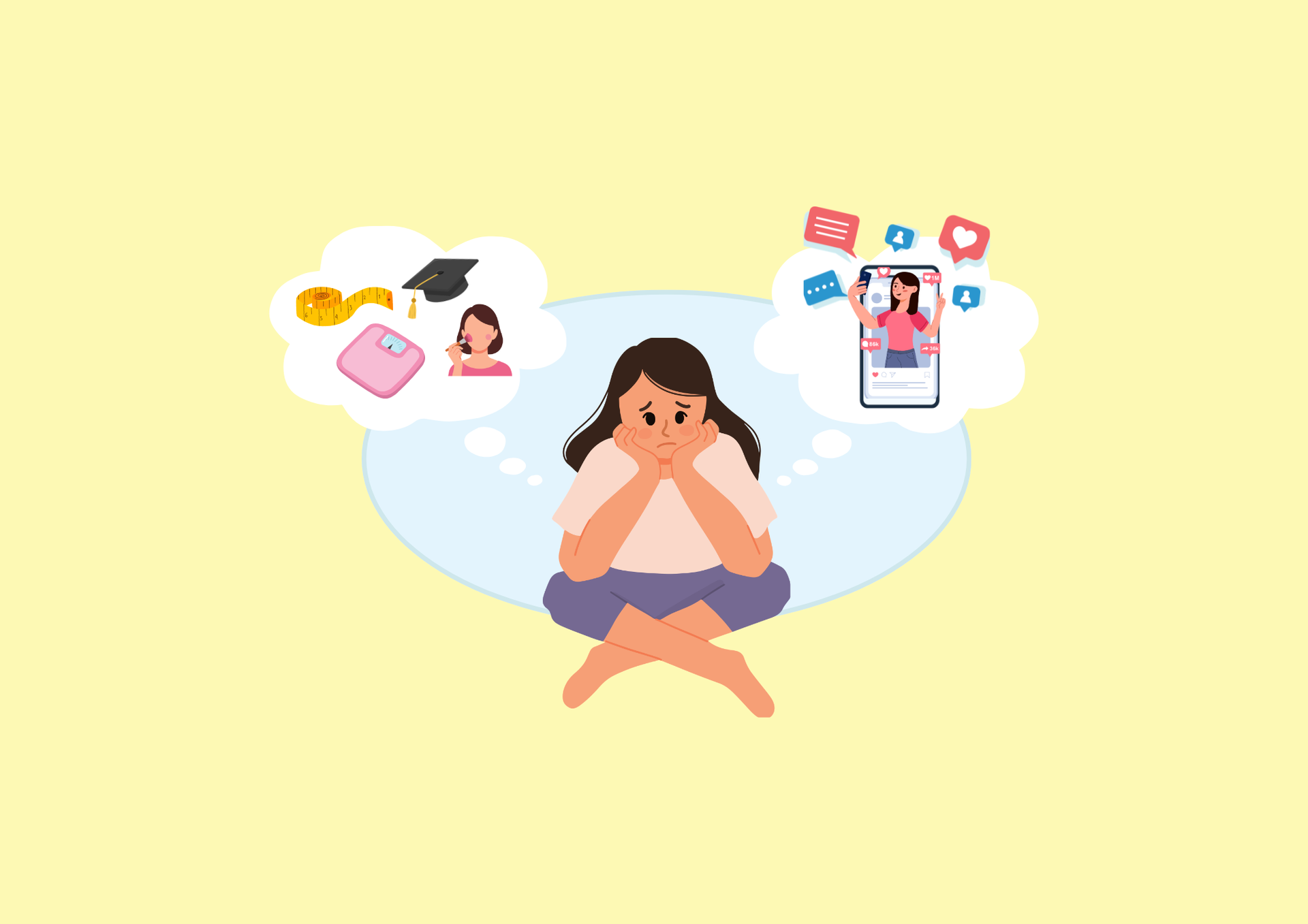
But what if your default answer is always “yea, I’m good” / What if you don’t feel like opening up to just anyone who asked?
But... what if you don’t want to talk about it to just anyone?
What if you think your schoolmates might joke about it or use it against you?
What if you think your workplace might be performative while not genuinely wanting to bring attention to employee mental health well-being?
So, the default answer when people start asking “are you okay?” simply become “good” to turn down a deeper conversation with someone you don’t feel comfortable opening up to. While asking “are you okay” may be a good way to start a meaningful conversation, it can seem ingenuous when there is no follow-up questions asked with sincerity and care. Or, when you do not feel heard when responding to “are you okay”.
Maybe, it is time to reach out to other people – think about teachers who you are closer to, colleagues who you are friends with, close family and friends, or mental health professionals.
What can I do if I can’t speak to just anyone about how I feel?
When you feel ready, it may be beneficial to consider trying self-care strategies. Self-care strategies can be a first step to helping yourself, even if you do not comfortable enough to talk to someone. The goal here is to improve or maintain your overall wellbeing. Afterall, you are important and self-care is an essential way to take care of your physical and mental health.
Try these out and let’s try making it a routine or habit:
- Prioritise regular sleep, meals, and exercise
- Spend time with your close ones regularly
- Set manageable and simple tasks goals to maintain daily functioning
- Practice mindfulness exercises, such as deep-breathing exercises, meditation, journaling, etc.
- Use self-help resources, such as self-care podcasts and educational books to learn about mental health and use useful techniques that resonate
- Seek help from a mental health professional
How to carry on a conversation after asking “are you okay”?
Now, if you are not sure about how to extend your support after asking someone if they are doing okay, there are several alternatives you could try:
- Start the conversation a question that is asking more specifically rather than a vague question – “You have been quite distant/quiet lately, has anything happen recently? “How have you been these past few days?”
- Listen well – Do not interrupt, keep eye contact, pay attention to and be patient with the person and conversation topic.
- Keep an open mind – Being non-judgemental and understand that someone’s needs may be different from yours and that’s okay.
- Be encouraging – Ask them about how they feel and encourage them through showing support, with words like “do you think doing ... could help you right now?” “I felt similarly before and I tried to do ..., do you think this would be helpful for you?” “Have you tried reaching out to a professional?”
- Catch up with them – After having that first conversation where you learn about their mental health and wellbeing, remember to follow-up with them after some time. This initiative can signal that you care for them, and that you wish to form or maintain a connection and continue the conversation.
If you need professional support, our many support services and clinicians are here to provide you a safe, inclusive, and non-judgemental space to open up and empathise with why you may not feel okay.
To book an appointment, visit our page https://wellnesshub.mhfa.org.au/book-an-appointment
References
https://www.ruok.org.au/what-were-about
https://pmc.ncbi.nlm.nih.gov/articles/PMC11868194/#Sec29
https://pmc.ncbi.nlm.nih.gov/articles/PMC9685708/#s5
https://www.cdc.gov/suicide/risk-factors/index.html
https://www.aihw.gov.au/mental-health/topic-areas/health-wellbeing/life-satisfaction
Blog Cover and Post by Gladys Lim, Media Intern